
Your Next Creator Partner Might Be a Professor
The latest High Country News collab proves the best creator partnerships aren't where you think
The latest High Country News collab proves the best creator partnerships aren't where you think

375 journalists lost their jobs at The Washington Post. The answer isn't solo vs. institutional but what we build between the two.
New research from FT Strategies and Knight Lab breaks the myth — plus why the "E" in STEPP matters more than ever, and what we're up to at the Saudi Media Forum.
For 50 years, High Country News used direct mail to find readers. Then they partnered with a TikTok creator who understands water policy. Here's what happened and what it teaches about platform-native content

Welcome back to our Influencer Journalism newsletter.
Last week, we published a new case study that should be required reading for anyone still wondering whether creator partnerships are worth the investment.
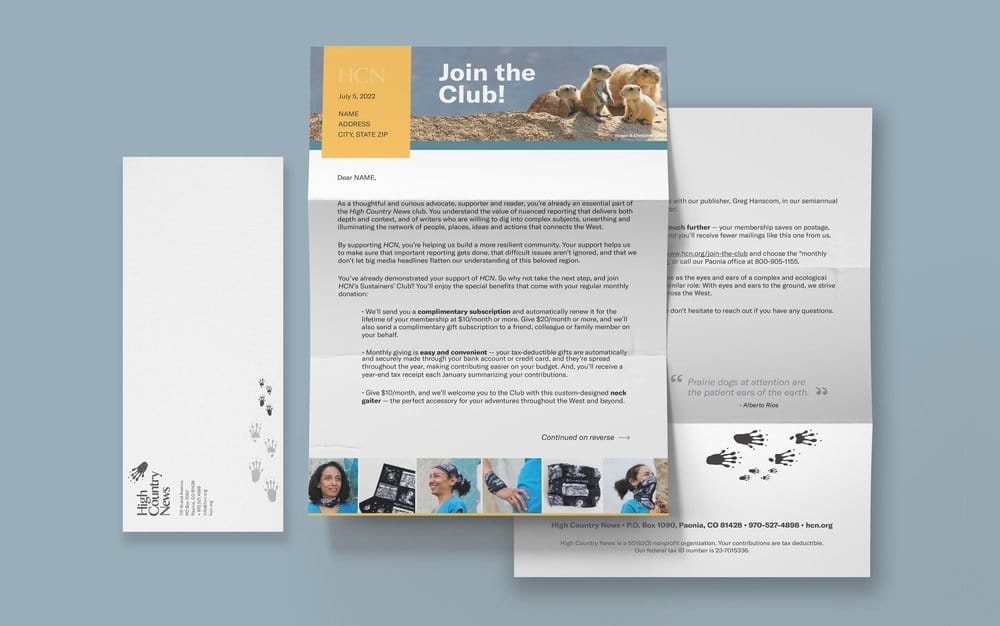
For 50 years, High Country News relied on direct mail to find new readers. The strategy worked—until it didn't. Costs climbed, returns shrank, and the newsroom was stuck targeting the same shrinking audience just to stay afloat. Then they tried something new: they moved part of their direct mail budget into paid collaborations with social media creators.
The results? HCN became part of conversations they couldn't reach on their own, including among federal workers and policymakers who follow creator Teal Lehto (@westernwatergirl) anonymously. One video highlighting a joint ProPublica/HCN investigation about a Navajo Nation hospital that couldn't open due to lack of water infrastructure went viral. Shortly after, the hospital opened.
But here's what makes this case study particularly valuable: it shows what happens when newsrooms get the "P" in STEPP right.
When Gary Love and his team at High Country News first approached Teal Lehto, they didn't ask her to make her content look like theirs. They didn't request approval over tone, format, or delivery. They checked facts and then got out of the way.
This is what platform-native actually means. It's not just "make vertical video." It's understanding that TikTok culture includes question boxes, green screens, layering astrology memes with policy explainers, and using emotional triggers strategically to spark debate. It's recognizing that each video takes 10-15 hours of work because the craft matters.
Lehto described her process: "You need to be on TikTok, scrolling daily, to understand the culture. Most nonprofit newsrooms don't have the time or staff for that."
 Adriana Lacy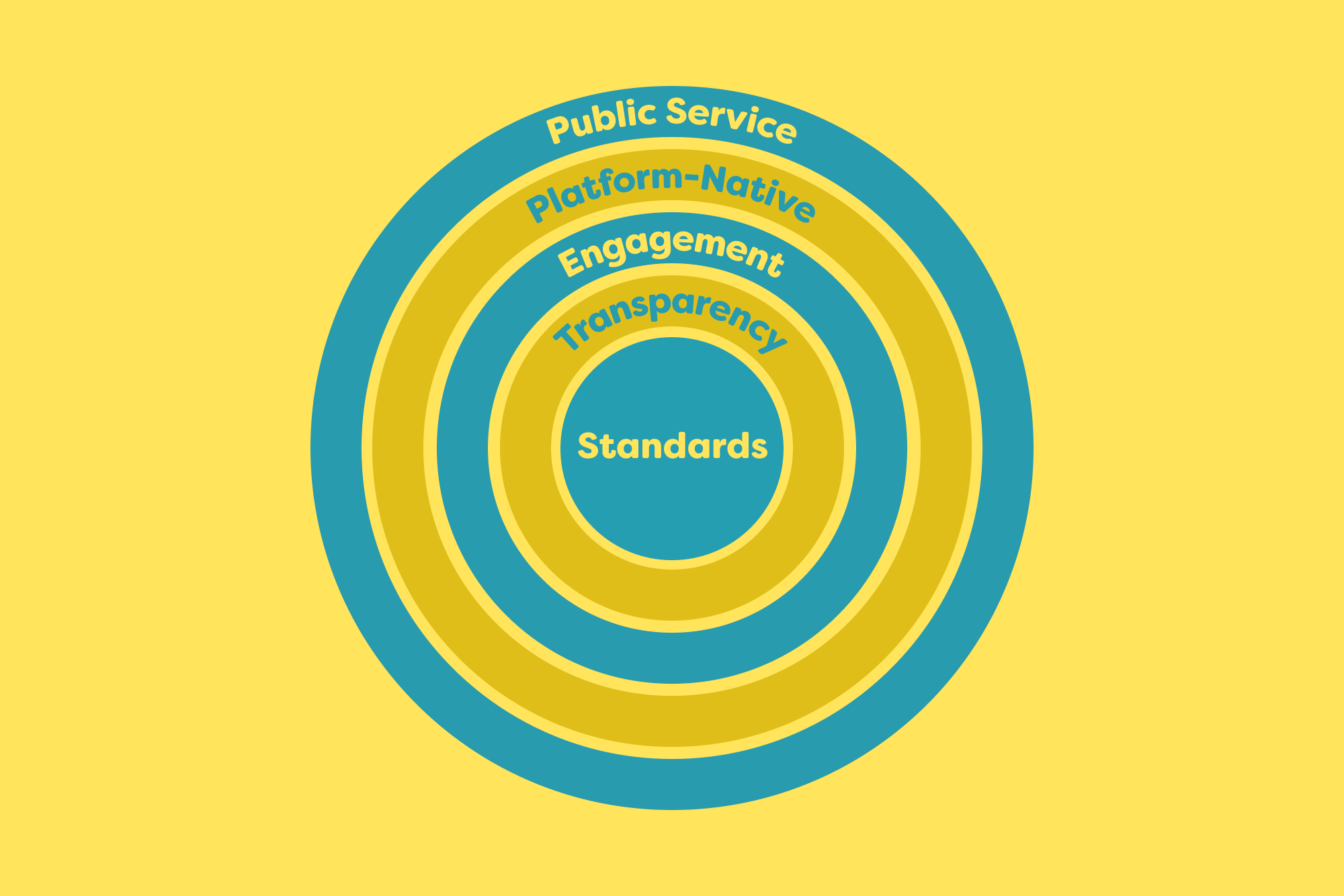
This is the trap most newsrooms fall into: they think platform-native means reformatting their existing content. But platform-native means understanding how information spreads on that platform, in the language of that platform, using the formats that platform rewards.
HCN got this right by recognizing what they weren't good at and partnering with someone who was. They didn't try to teach their reporters to be TikTok creators (they tried; it didn't work). They didn't republish Lehto's videos to their own channels where they'd underperform. They let her do what she does best: translate their journalism into the emotional core that makes people care.
The STEPP takeaway: Platform-native content isn't about you learning to be a creator. It's about respecting that creators already know something you don't and that's exactly why the partnership works.
This isn't just one smart experiment anymore. It's becoming industry infrastructure.
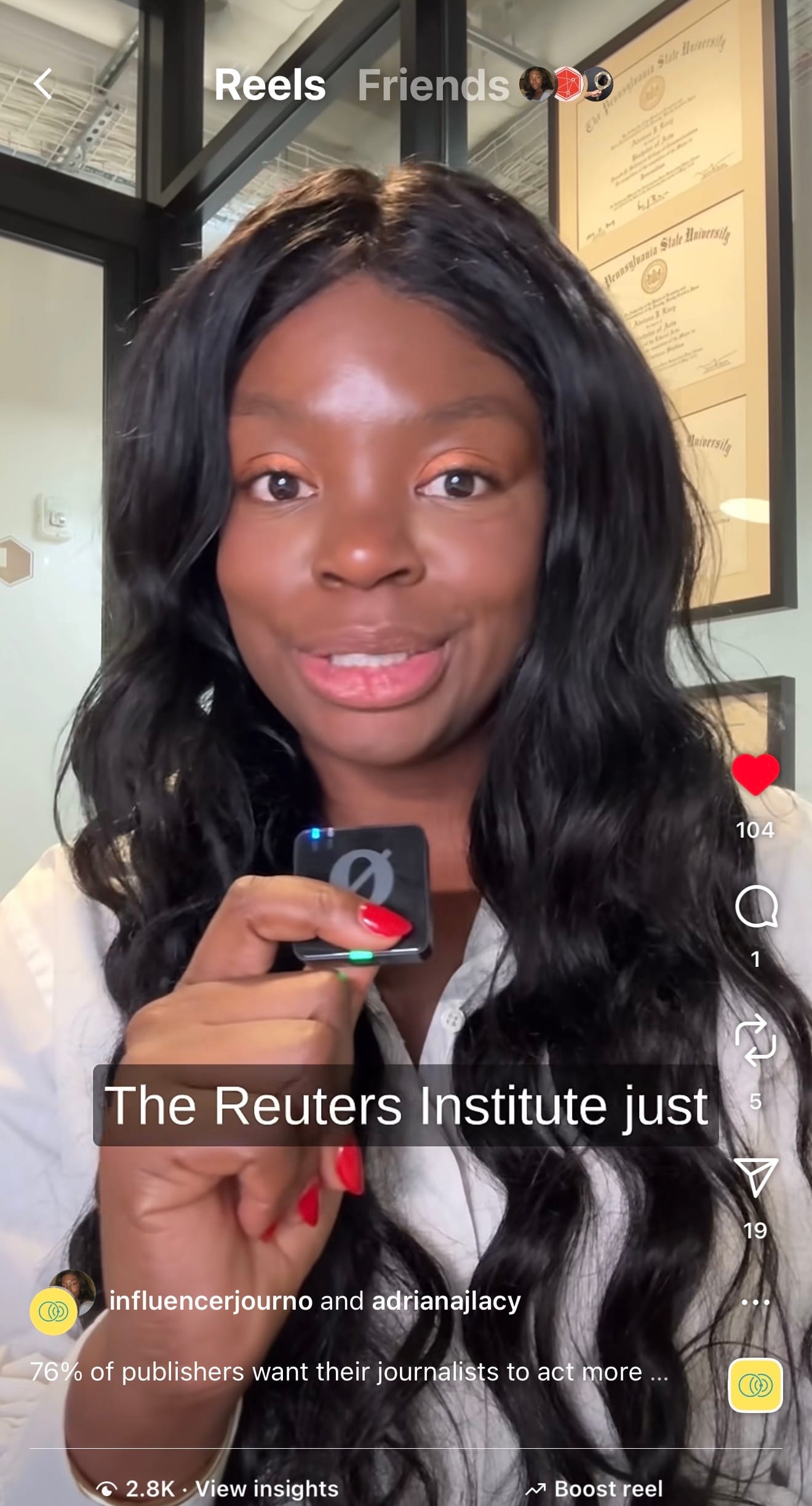
The Reuters Institute published its 2026 Journalism Trends report, surveying 280 news executives across 51 countries. 76% of publishers say they'll encourage journalists to behave more like creators this year. 50% plan to partner with creators for distribution. 31% are hiring creators outright.
Why the urgency? Because newsrooms are getting squeezed from both sides as AI answer engines threatening to bypass publisher sites entirely (with a projected 40% decline in search referrals over the next three years), and personality-led creators commanding attention that institutional brands simply can't match.
Meanwhile, Editor & Publisher reports that what was once "rare" has now "moved from novelty to necessity as 2026 begins.

Ask Yourself: What Are We Actually Not Good At?
If you're considering a creator partnership, here's the most important question to answer first:
Are you hiring them to make your content work on their platform or to help you understand how that platform actually works? The former is a marketing expense. The latter is a strategic investment in reaching audiences you can't access any other way.
High Country News chose the latter. And it's why Teal Lehto describes the impact this way: "People started associating 'Western Watergirl' with High Country News. People would come up to me at conferences and say, 'What you're doing with High Country News is so cool.'"
That's the conversation you're no longer missing.
🎓 Now working with: The Berkshire Eagle as part of The Lenfest Institute's Beyond Print program, training their newsroom in vertical video production and creator strategy. The Beyond Print program just announced $400,000 in grants supporting 11 newspapers across the U.S. in reducing reliance on print and reaching new audiences through next-generation distribution platforms.
📞 Taking on clients: If your newsroom is ready to develop vertical video workflows, train reporters in platform-native content, or explore creator partnerships, reply to this email. This is exactly what we do.
👋 Always: If you know someone at a newsroom thinking about creator partnerships, forward this their way.

The latest High Country News collab proves the best creator partnerships aren't where you think

375 journalists lost their jobs at The Washington Post. The answer isn't solo vs. institutional but what we build between the two.

New research from FT Strategies and Knight Lab breaks the myth — plus why the "E" in STEPP matters more than ever, and what we're up to at the Saudi Media Forum.

The Reuters Institute's 2026 report confirms creators are essential to journalism distribution. Plus: joining WAN-IFRA's News Creator Exchange board, and what it looks like to invest in genuine partnerships